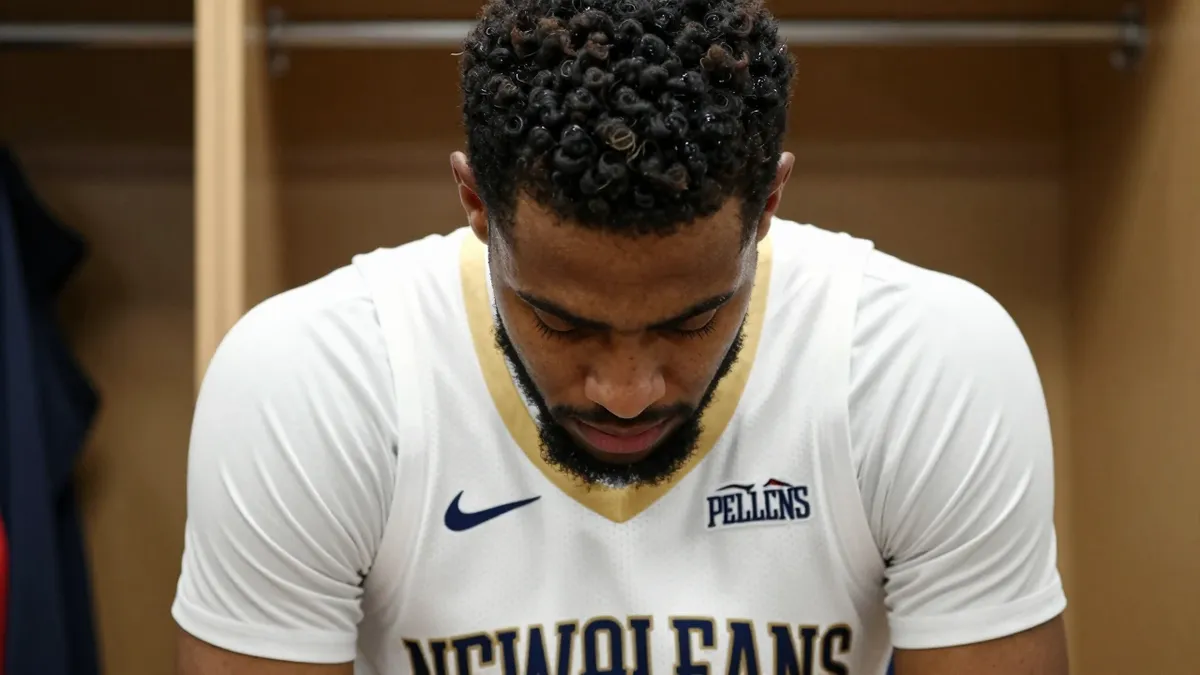
For small-market teams like the Pelicans, building a true contender is an immense challenge without the free agent allure of major cities.
Are The New Orleans Pelicans Stuck In League Purgatory?
The concept of league purgatory is simple but punishing. A team is good enough to fight for a playoff spot, often through the play-in tournament, but lacks the top-end talent to advance deep into the postseason. This middling success leads to drafting in the later part of the first round year after year. It dramatically reduces the odds of selecting a franchise-changing superstar like Giannis Antetokounmpo or Nikola Jokic, players who propelled other small markets to titles.
New Orleans has been familiar with this zone since the Chris Paul era when the franchise was still the Hornets. They've frequently seemed just one piece away from breaking through. A potential turning point was derailed when DeMarcus Cousins suffered a devastating Achilles tear while playing alongside Anthony Davis. That injury shattered what looked like a dominant frontcourt and sent the franchise's trajectory off course.
What Is The Path Forward For The Pelicans?
Teams generally operate in one of two modes: a clear rebuild focused on acquiring young assets and draft capital, or a win-now mentality where every move is made for immediate playoff impact. The danger lies in the murky middle. The Pelicans' current roster, which you can view on our roster page, has talent. But the question remains whether it's enough talent to win a championship or if it simply guarantees more first-round exits.
They can beat teams, but consistency against the league's elite is a problem. This pattern makes major roster decisions incredibly difficult for the front office. Should they trade future picks for a veteran star? Or should they consider a softer reset around younger players? Indecision can lock a team into this cycle for years.
How Do Small-Market Teams Escape?
The blueprint exists. The Denver Nuggets built patiently through the draft around Jokic. The Milwaukee Bucks did the same with Antetokounmpo. The Oklahoma City Thunder are now rising with Shai Gilgeous-Alexander. Each organization identified their cornerstone, developed him, and meticulously built a supporting cast. It requires exceptional drafting, smart trades, and patience. Most of all, it requires avoiding the temptation to make short-sighted moves just to sneak into the playoffs as an eighth seed.
For the Pelicans, escaping means making a definitive choice. Either commit fully to developing their current core with an eye on a window two or three years down the line, or aggressively consolidate assets for a proven superstar. The middle road, where they've often traveled, leads back to the play-in tournament and late-lottery picks. Fans can track the team's progress and upcoming challenges on our schedule page. The clock is always ticking in the NBA, and staying in purgatory wastes the prime years of valuable players.